Art
Intent
At Hoo St Werburgh, we are dedicated to fostering the creative potential of every child through a carefully structured art curriculum. Our intent is to develop children's artistic skills and provide them with a profound understanding of various artistic movements and techniques, in line with the 2014 National Curriculum. We aim to inspire children by encouraging them to express their thoughts and emotions through visual arts, whilst also addressing key aspects of the curriculum. Our goal is to instil a passion for art, enabling pupils to explore their creativity through observation, experimentation, and reflection.
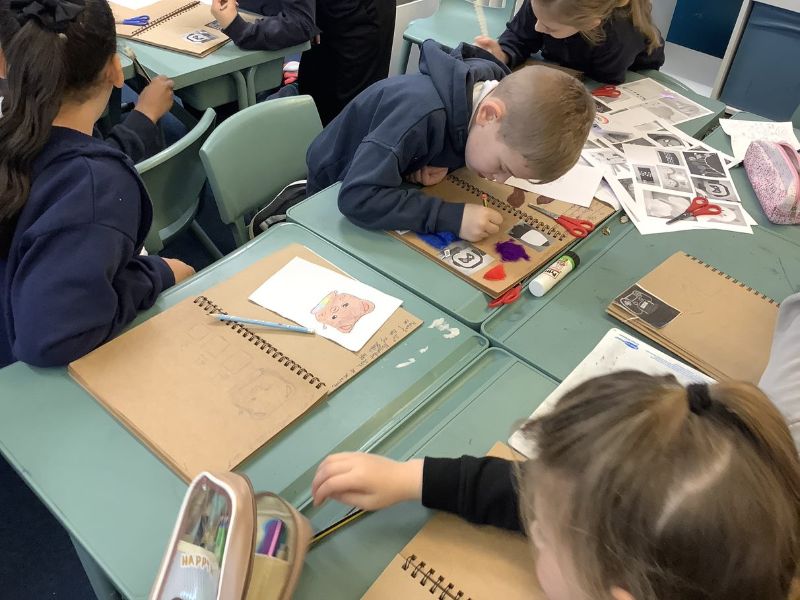
For Key Stage 1 (KS1), art is available within continuous provision, providing an array of materials and stimulus for exploration. This allows children to engage with art at their own level and helps to cultivate independence in their creative processes. For Key Stage 2 (KS2), our focus shifts towards linking art lessons to the termly learning journey to support children with building connections between their learning. This integrated approach ensures that art becomes a vital component of your child’s education, demonstrating its relevance across subjects.
Implementation
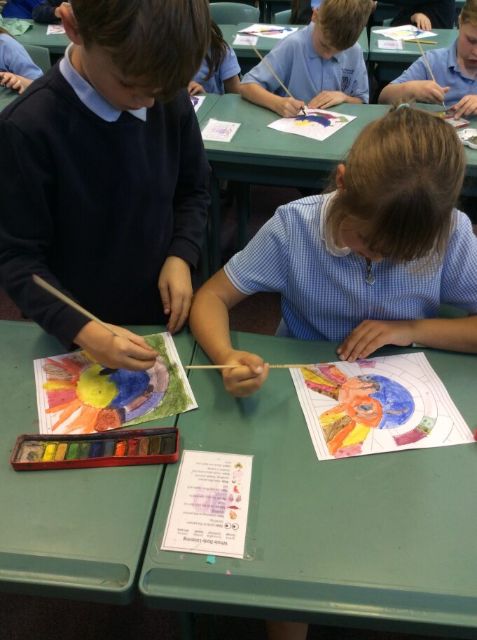
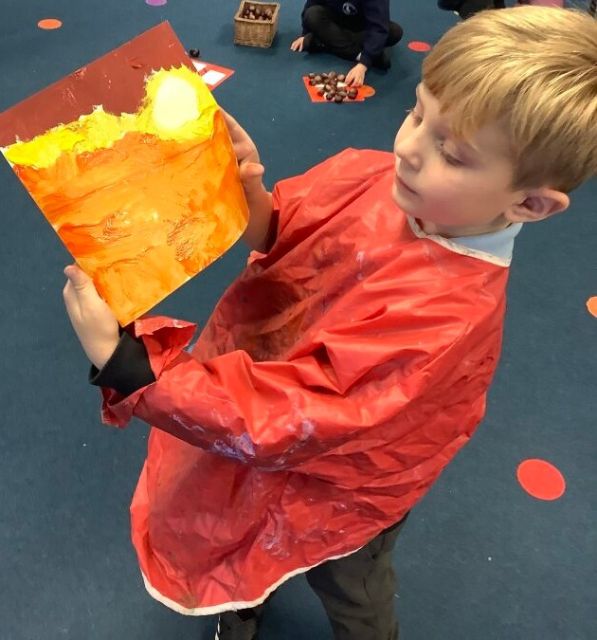
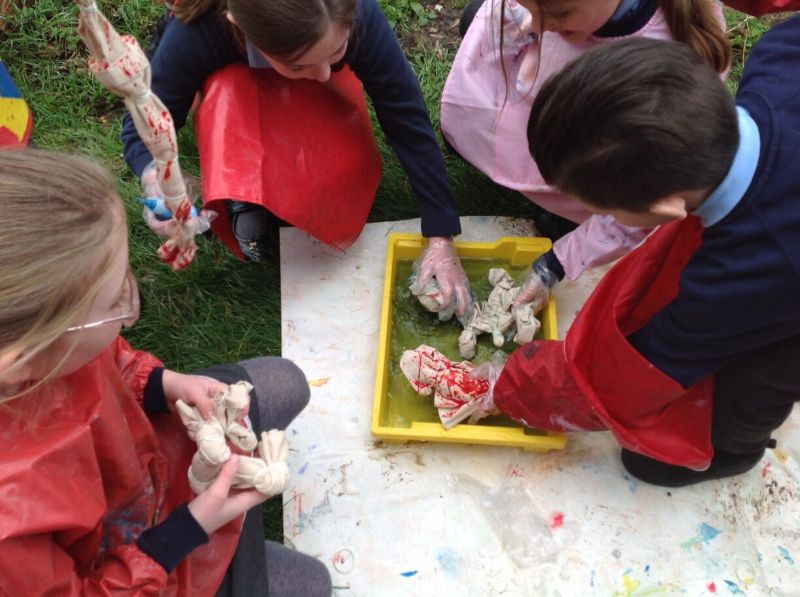
Our art curriculum features a progressive structure designed to build upon prior knowledge and understanding. In KS1, continuous provision will include stations with diverse art materials such as paints, clay, and collage supplies. Children will freely explore these resources and will be prompted to create artworks inspired by both their own experiences and influences from notable artists, such as Van Gogh and Hockney.
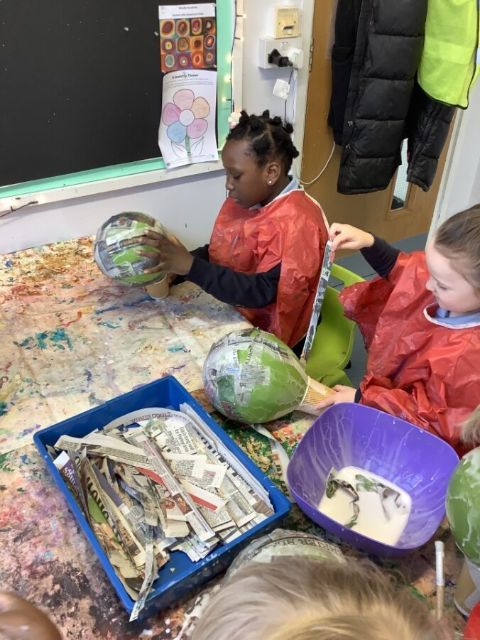
In KS2, each art unit will be carefully aligned with the children’s learning journeys, ensuring that the art activities are relevant and enriching. For instance, when studying a historical period, pupils will create artworks inspired by that era, allowing them to grasp the concepts more fully. Each scheme of work will focus on teaching essential artistic skills such as drawing, painting, and sculpture, culminating in a final piece of art that reflects the knowledge and skills acquired throughout the term.
Teachers will play a crucial role in facilitating this learning by regularly assessing student progress against the National Curriculum expectations. Formative assessments will help in identifying each child’s strengths and areas for improvement. Furthermore, teacher assessments will be accurately recorded on the school’s data tracking system, ensuring that each child's development in art is closely monitored and reported.
Impact
The impact of our art curriculum will be multi-faceted. By embracing creativity, we expect to see students become confident in their artistic abilities, willing to take risks in their work. The children will not only develop technical skills but also an appreciation for art's role in cultural and historical contexts, enhancing their overall educational experience.
Ongoing evaluations of our approach will allow us to continually refine our methods, ensuring that all children benefit from high-quality art education. We foresee students expressing their individuality and cultural heritage through their artworks, fostering a sense of pride and ownership over their creative expressions. Ultimately, the combination of intentional teaching, relevant learning journeys, and robust assessment practices will inspire a lifelong appreciation of art, equipping students with skills they can utilise across many aspects of their lives.
Art Gallery